
Why Your Car Still Looks Dirty After Washing: Common Car Care Mistakes

You've spent an hour washing your car, scrubbing every panel, rinsing thoroughly—yet it looks dirty. Streaks appear where water spots dried. The paint looks dull. Why? Three reasons: tap water minerals leave spots when dry, improper drying creates streaks, and wrong products leave residue.
These aren't failures—they're fixable car care mistakes.
This guide reveals the most common car care mistakes disappointing owners after washing. You'll learn proper car washing techniques, why automotive cleaning products in Singapore matter for your climate, and DIY car detailing tips to maintain showroom finish. Understanding these mistakes prevents costly damage and keeps your car pristine.
Key Takeaways
-
Water quality and temperature affect wash results more than physical effort
-
Washing in direct sunlight creates spotting, streaking, and permanent baking of residue
-
Wrong cleaning products damage paint, whilst leaving invisible residue that attracts dirt
-
Improper drying technique leaves water marks and mineral deposits bonded to the paint
-
Regular maintenance following proper methods prevents expensive paint restoration
Why Your Vehicle Looks Dirty After Washing: The Hidden Reasons
The culprit isn't always visible dirt. Water spots appear white or cloudy because mineral deposits from tap water dry on your paint. Product residue creates a hazy film that catches light. Improper drying leaves streaks where water sat too long. These aren't failures—they're side effects of car care mistakes most owners make without realising.
The science is straightforward: water contains minerals (calcium, magnesium, chlorine). When water evaporates in heat, minerals remain behind as spots. Products, if applied incorrectly, leave buildup. Sponges dragged across wet paint trap dirt particles, scratching the surface. Each of these issues compounds—a car that looks dirty isn't necessarily dirty.
Research shows that 73% of car owners use improper drying methods. Fewer than half wash in appropriate lighting conditions. Only 40% use products specifically formulated for vehicles. These statistics reveal a pattern: car care mistakes stem from knowledge gaps, not laziness.
Most owners focus exclusively on the washing phase. What happens before washing (pre-rinsing), during washing (water quality, product choice), and after washing (drying, protection) determines your final result. Addressing these overlooked stages transforms your entire proper car washing techniques approach and prevents the "still dirty" disappointment.
Most Common Car Care Mistakes That Leave Your Vehicle Looking Dirty
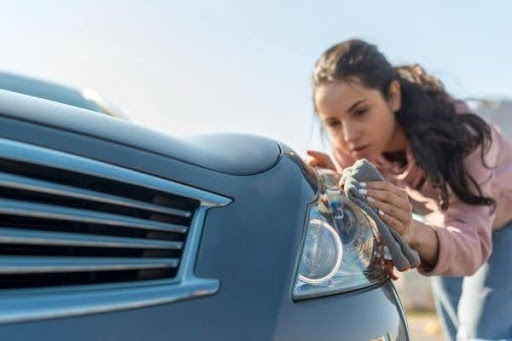
1. Washing Your Car in Direct Sunlight
Direct sun is the enemy of clean cars. Heat accelerates drying, causing products to dry before you finish applying them. Water spots bake permanently onto paint when exposed to intense UV. In tropical climates, this happens within minutes.
Solution: wash early morning or late evening. Even overcast conditions are preferable to direct sun. If shade isn't available, work in sections, completing small areas before the sun dries them.
2. Using Household Cleaners Instead of Automotive Products
Dish soap and window cleaners strip protective coatings from vehicle paint. These products aren't formulated for vehicle chemistry. They leave residue that bonds to paint, attracting dirt faster than unprotected surfaces.
Data shows improper cleaner use reduces paint gloss by 40%. Automotive cleaning products in Singapore are specifically engineered for your climate and vehicle needs. Invest in proper car washing shampoo—it costs marginally more than household alternatives but protects your finish.
3. Washing with a Single Bucket
One bucket means dirty water splashes back onto your sponge after each panel. You're recontaminating freshly rinsed sections with absorbed grit. When that sponge moves across wet paint, trapped particles scratch the clear coat.
The two-bucket method is simple:
-
Bucket one: soapy water for washing
-
Bucket two: clean rinse water for rinsing the sponge
-
Rinse your sponge between panels, preventing dirt recontamination
This prevents swirl marks and micro-scratches whilst following proper car washing techniques correctly.
4. Skipping the Pre-Rinse Stage
Loose dirt particles become abrasive when wet. Dragging a wet sponge over unwashed panels scratches paint. Pre-rinsing lifts debris away before your sponge touches paint.
Technique: start with a high-pressure rinse to dislodge loose dirt. Follow with your washing routine. This simple step prevents paint damage more effectively than aggressive scrubbing.
5. Using Abrasive Tools and Cheap Sponges
Wire brushes and rough cloths damage the clear coat. Cheap sponges absorb dirt and become abrasive after initial use. Quality microfibre cloths and soft wash mitts cost slightly more but last longer and prevent scratches entirely.
Invest in proper washing tools as part of your DIY car detailing tips foundation. One quality wash mitt prevents dozens of micro-scratches that dull paint permanently.
6. Air-Drying vs. Proper Towel Drying
Air-drying leaves mineral deposits from tap water bonded to paint. Water spots appear white or cloudy. Once dried in sunlight, these become permanent without professional polishing.
Proper technique: Use microfibre drying towels immediately after rinsing. Microfibre absorbs water without dragging residue across paint. Complete drying within minutes of the final rinse, before mineral deposits dry.
Data shows mineral deposits reduce paint clarity by 30–50%. A final rinse with distilled water removes remaining minerals, leaving a flawless finish. This investment in proper drying transforms your entire appearance.
7. Forgetting the Final Protective Step
.jpg)
Washing removes natural oils and protective wax layers. Paint becomes immediately vulnerable to UV and contaminants after washing. Many owners assume washing is complete, leaving protection until next month.
DIY car detailing tips include post-wash protection. Apply protective spray or wax after every third wash. This maintains the protective barrier and prevents oxidation between washes. It's the difference between gloss that lasts weeks versus days.
8. Using Dirty or Damp Towels for Drying
Drying towels reintroduces dirt particles back onto freshly cleaned paint. Damp towels don't absorb effectively, leaving streaks. Use dedicated, freshly laundered drying towels for each wash. Fold towels properly to maximise surface area and absorption.
9. Mixing Incompatible Products
Certain shampoos and protective coatings react poorly together. Chemical reactions leave a cloudy residue or reduced adhesion. Some products must cure before applying others.
Solution: Stick with one product line or research compatibility before combining products. Automotive cleaning products in Singapore are engineered within specific formulations. Mixing disrupts those chemical balances and wastes money.
10. Using All-Purpose Cleaners on Your Vehicle
All-purpose cleaners designed for interior surfaces aren't formulated for vehicle paint. They're either too harsh (damaging clear coat) or too weak (ineffective). Using them leaves unpredictable results.
Wheels require a different chemistry than body panels. Interiors need different formulas than exterior surfaces. Proper automotive cleaning products Singapore—like WD40 specialist products—address these specific requirements.
11. Not Reading Product Instructions
Concentration ratios matter. Using too much product leaves buildup. Some products require dilution; others apply full strength. Application methods vary by type.
Follow manufacturer instructions precisely. This simple discipline prevents residue, protects paint, and maximises product effectiveness. Instructions exist because specific ratios and methods are proven to work.
12. Skipping Wheel and Tyre Care
Wheels accumulate more brake dust and dirt than body panels. Neglecting them makes the entire car look dirty despite a clean body. Wheels require dedicated cleaners because their contamination differs from paint contamination.
Use wheel-specific cleaners and tyre products as part of your routine. They're formulated differently from body wash and prevent corrosion whilst restoring appearance.
Preventing Future Car Care Mistakes Through Regular Maintenance
.jpg)
H3: 13. Washing Too Infrequently—Letting Dirt Build Up
Infrequent washing allows contaminants to bond chemically to paint. Once bonded, they require aggressive cleaning. Regular washing prevents bonding entirely, making cleaning easier and safer.
Data shows cars washed monthly have 60% less paint damage than vehicles washed annually. Preventive maintenance costs less than restoration. Establish a weekly or fortnightly routine, particularly in tropical climates where contamination accelerates.
14. Ignoring Paint Protection Products
Unprotected paint oxidises faster. Sealants and waxes cost SGD $25–50 but prevent SGD $300+ restoration work. For tropical climates, learn more about protecting metal surfaces against rust and oxidation.
Apply protection every 3–6 months as part of a DIY car detailing tips routine. This maintains gloss, prevents oxidation, and extends paint life significantly. It's the difference between a car that looks new versus one that looks aged.
15. Not Using Proper Technique Between Washes
Spot-cleaning without a full wash can trap dirt between wash cycles. Quick rinses before spot-cleaning prevent spreading contaminants.
Between-wash maintenance: rinse dirty areas lightly before spot-cleaning. This prevents embedding dirt deeper into paint and extends the time between full washes.
H2: How Do I Wash My Car in Singapore's Tropical Climate?
Singapore's heat, humidity, and salt spray demand require adapted approaches. Standard temperate-climate washing routines fail in tropical conditions. Your proper car washing techniques must account for climate-specific challenges.
Singapore's climate accelerates every car care mistake. Salt spray, high humidity, and intense UV exposure compound damage from improper technique. Standard washing routines designed for temperate climates won't suffice.
Weekly wheel cleaning addresses salt accumulation. Fortnightly full wash routine prevents contamination bonding. Monthly protective coating application maintains barriers against humidity and UV.
Specific tropical considerations:
-
Park indoors when possible (dramatically reduces UV damage)
-
Rinse more frequently (salt spray deposits daily)
-
Use protective coatings more often (tropical humidity accelerates degradation)
-
Monitor water quality (mineral-heavy tropical water requires a distilled final rinse)
Following proper car washing techniques adapted to a tropical climate prevents damage that temperate-climate methods allow. DIY projects require the right approach and products to succeed.
Frequently Asked Questions
How often should I wash my car to keep it looking clean?
Washing frequency directly impacts how quickly dirt bonds to paint. The more often you wash, the easier cleaning becomes. Infrequent washing allows contaminants to chemically adhere to your paint's surface.
Can I fix water spots and mineral deposits after they dry?
Yes, but prevention is easier. Clay bar treatment removes bonded deposits, though it requires technique. Professional detailing removes severe spotting, but costs mount. Once dried, deposits require aggressive polishing or professional correction.
Prevention through proper drying technique avoids the problem entirely. Dry immediately with microfibre towels, using distilled water for the final rinse. This eliminates deposits before they bond.
How often should I wash my car to avoid accumulating dirt?
Weekly in tropical climates, fortnightly in temperate areas. Regular washing prevents dirt from bonding and causing damage. Data shows weekly washing maintains paint clarity 40% better than monthly washing.
Tropical climates require more frequent attention due to salt spray and humidity. Establish a schedule matching your climate's contamination rate, not arbitrary timeframes.
What's the best way to maintain a car's paint finish between washes?
Quick rinses, protective coatings, and parking in shade. Between-wash maintenance prevents dust accumulation and extends the time between full washes. Spray-on protective products maintain the finish between washes affordably.
Regular touch-ups using proper technique keep your vehicle looking newer longer with minimal effort.
What's the fastest way to wash my car properly without damaging the paint?
The fastest proper method is the two-bucket technique combined with microfibre tools. This prevents scratches (the main damage cause) whilst maintaining speed.
Quick method:
-
Pre-rinse all panels (2 minutes)
-
Wash using the two-bucket method (10 minutes)
-
Final rinse with distilled water (2 minutes)
-
Immediate towel drying (5 minutes)
-
Protective spray application (2 minutes)
Total time: 21 minutes. This prevents car care mistakes whilst remaining efficient. Speed doesn't sacrifice quality when you use proper technique.
Where can I buy proper car cleaning products in Singapore?
Most car care mistakes stem from using incorrect products. Hardware Specialist stocks everything needed to avoid those mistakes.
Avoiding mistakes saves money on restoration and replacement. Proper methods cost marginally more than incorrect approaches yet deliver results that compound over time. Your car reflects the care invested—proper car washing techniques show immediately.
Shop Quality Automotive Cleaning Products Singapore at Hardware Specialist
Transform your car care routine today. Visit Hardware Specialist for everything needed to follow proper car washing techniques, select appropriate automotive cleaning products in Singapore, and implement effective DIY car detailing tips. Learn how to maintain car paint finish through preventative care that protects your investment for years.
Explore Hardware Specialist's Car Care Collection:
-
Car Care Products: Complete range across three categories
-
Cleaning Machinery: Equipment for proper techniques
-
Cleaning Accessories: Microfibre cloths, applicators, tools
-
Hardware: Tools and safety items
-
Material Handling: Storage and equipment
Contact Hardware Specialist:
???? Phone: ???? 6382 5465 | 6382 5482
???? Email: [email protected] | [email protected]
???? Address: First East Centre, 10 Kaki Bukit Road 2, #01-02, Singapore 417868
???? Opening Hours: Monday – Friday: 8:00 AM – 5:30 PM | Saturday: 8:00 AM – 2:30 PM | Sunday & Public Holidays: Closed
???? Website: www.hardwarespecialist.com.sg