
How to Fix a Loose or Broken Door Lock with Simple Hardware Tools

Got a wobbly door lock that’s driving you mad? That rattling sound, or worse, a door lock that refuses to latch? Most door lock problems are easy to fix with basic tools from your hardware store and WD40. If your door lock is loose, sticky, or jammed, this guide walks you through simple repairs. Let's get your door lock working smoothly!
Why Door Locks Become Loose or Broken
Daily wear and tear is the biggest offender. Every time you turn that handle, metal grinds against metal. Over time, this causes door lock mechanisms to wear down. Singapore's humid climate accelerates rust, making your door lock stick.
Lack of lubrication kills door locks fast. Without regular WD40, metal components seize up. You force the key, damaging the door lock cylinder. Anti rust spray every few months prevents most failures.
Installation issues stress door locks constantly, breaking components. Most problems are fixable with hardware store supplies.
Essential Tools from the Hardware Store
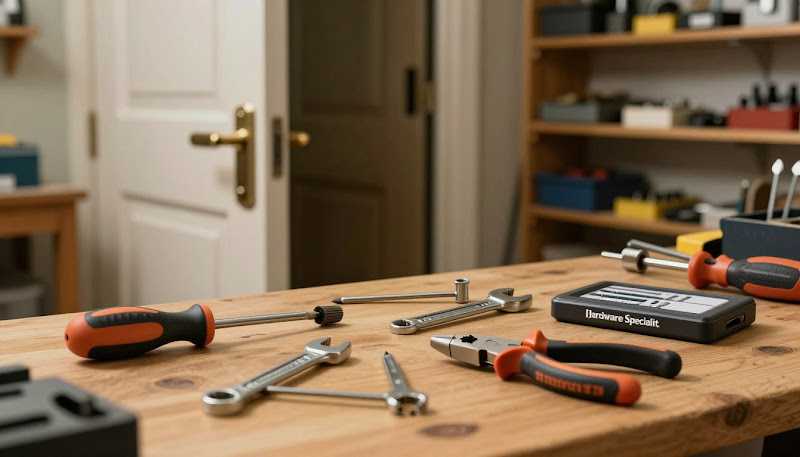
Before tackling your door lock repair, gather these supplies from your nearest hardware store:
Basic toolkit:
- Phillips head screwdriver
- Flathead screwdriver
- Allen key set
- Adjustable wrench
Lubrication products:
- WD40 Multi-Use Product
- Anti rust spray for metal components
- Graphite powder lubricant
Replacement parts:
- Replacement screws (longer screws fix loose door lock problems)
- Strike plate
- Door lock cylinder
Visit Hardware Specialist for quality tools. Cheap screwdrivers from random hardware store outlets strip screws, making door lock repairs frustrating.
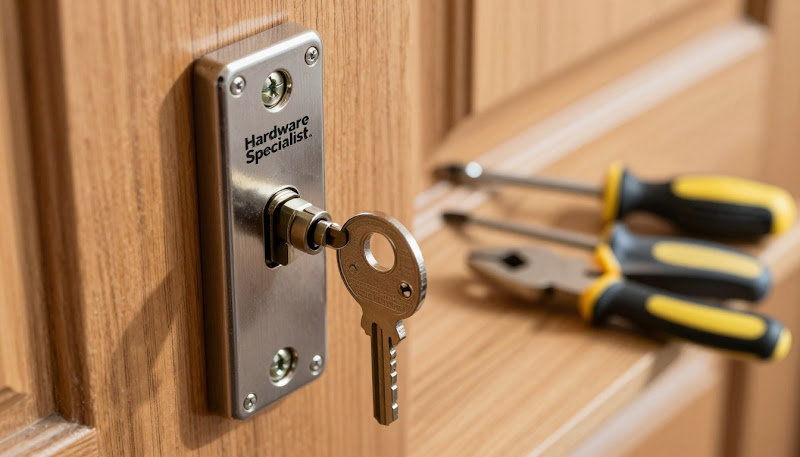
1. How to Fix a Loose Door Lock Handle
A wobbly door lock handle is usually a quick fix.
Step 1 - Locate the Set Screws
Most door lock handles attach via small set screws hidden on the handle's underside or side. Some hide screws under decorative covers that pop off with a flathead screwdriver.
Step 2 - Tighten Everything
Use the appropriate screwdriver to tighten all visible screws on your door lock. Turn clockwise until snug but don't overtighten. Test the door lock handle. Still loose? Move to step 3.
Step 3 - Check Interior Screws
Remove the door lock handle by loosening the set screws. You'll see longer screws connecting both sides of the door lock mechanism. Tighten them firmly. If screw holes are stripped, visit your hardware store for longer screws that bite into fresh wood.
Step 4 - Apply WD40
Before reassembling, spray WD40 into the door lock mechanism. Let it penetrate, then wipe excess. Follow up with anti rust spray on external metal components for long-term protection.
If tightening screws doesn't solve your loose door lock, the mounting plate might be cracked. Replacement plates are available at any quality hardware store.
2. Fixing a Stuck or Jammed Door Lock
When your door lock refuses to turn or the key gets stuck, corrosion is usually the culprit.
The WD40 Solution
Spray WD40 directly into the door lock keyhole. Insert and remove your key several times to work the lubricant through. The WD40 dissolves rust and flushes out debris.
For persistent door lock sticking, use graphite powder from your hardware store. Unlike WD40, graphite doesn't attract dust. Puff graphite into the keyhole and turn the key several times.
When to Use Anti Rust Spray
After cleaning your door lock with WD40, apply anti rust spray to prevent future corrosion, crucial in Singapore's humid climate. Spray anti rust spray on the door lock exterior, strike plate, and exposed metal. Let the anti rust spray dry completely before using the door lock.
Pro Tip: Don't spray WD40 or anti rust spray on painted surfaces as both can damage finishes.
3. Realigning a Misaligned Door Lock Strike Plate
Sometimes your door lock mechanism works perfectly, but the door won't latch because the strike plate is misaligned.
Diagnosis
Close the door slowly while watching the door lock latch. Does it miss the strike plate hole? Stick a note on the frame where the latch should hit, close the door, and check the mark.
The Quick Fix
If misalignment is minor (less than 3mm), file the strike plate hole slightly larger with a metal file from your hardware store. This lets the door lock latch catch properly.
The Proper Fix
For larger misalignments, remove the strike plate screws and reposition it. Fill old screw holes with wood filler from any hardware store, let it dry, then drill new pilot holes. Apply anti rust spray to the strike plate before reinstalling.
4. Replacing a Broken Door Lock Cylinder
When your door lock cylinder is damaged beyond repair—stripped keyway, broken pins, or severe corrosion—replacement is necessary.
Remove the Old Cylinder
Most door lock cylinders are held by a small screw on the side of the door lock body. Spray WD40 on this screw before removal as it's often rusted tight. Once out, insert your key, turn slightly, and pull the cylinder out.
Match the Replacement
Take your old door lock cylinder to a hardware store. Staff at Hardware Specialist can match it exactly like cylinder length, keyway type, and finish all matter.
Install and Test
Slide the new door lock cylinder into place. Insert the retaining screw but don't fully tighten yet. Test the door lock operation first. Once smooth, tighten the screw and apply anti rust spray to prevent future corrosion.
Preventive Maintenance for Your Door Lock
Regular maintenance prevents most door lock problems.
Every 3 months:
- Spray WD40 into door lock cylinders
- Wipe excess WD40 with a clean cloth
- Check all door lock screws and tighten if needed
Every 6 months:
- Apply anti rust spray to external door lock components
- Lubricate hinges (squeaky doors stress door lock mechanisms)
- Clean dirt and debris from strike plates
Annually:
- Remove door lock handles and clean thoroughly
- Replace worn screws with fresh ones from a hardware store
- Check door alignment
This simple routine, using products from any hardware store, keeps your door lock functioning smoothly for years.
When to Call a Professional vs DIY
DIY-friendly door lock repairs:
- Loose handles or knobs
- Sticky or jammed locks (fixed with WD40)
- Misaligned strike plates
- Simple cylinder replacements
Call a locksmith for:
- Broken keys stuck inside door lock mechanisms
- Smart locks with electronic failures
- High-security door lock systems
- Situations where you're locked out
Pro Tip: If you've tried WD40, tightened screws, applied anti rust spray, and your door lock still malfunctions, the internal mechanism might be damaged. Quality replacement door locks from Hardware Specialist's hardware store locations come with installation guides.
Hardware Specialist: Your Partner
For over 30 years, Hardware Specialist has supplied Singapore with quality tools and hardware. Our hardware store locations stock everything for door lock repairs: professional tools, WD40, anti rust spray, replacement door lock parts, and expert advice.
Fix Your Door Lock Today
Don't let a malfunctioning door lock compromise your security. Most door lock problems are simple fixes requiring WD40 and anti rust spray. With hardware store supplies and this guide, you'll have your door lock working in under an hour.
Regular WD40 and anti rust spray maintenance prevents door lock failures. Hardware Specialist have everything you need. Visit our hardware store locations or shop online for tools and replacement door lock components.
Contact Hardware Specialist today for expert advice on your door lock repair.
Address:
First East Centre 10 Kaki Bukit Road 2, #01-02 Singapore 417868
Opening Hours:
Monday – Friday: 8:00 AM – 5:30 PM
Saturday: 8:00 AM – 2:30 PM
❌ Sunday & Public Holidays: Closed
Phone: 6382 5465 | 6382 5482
✉️ Email:
[email protected]
[email protected]